
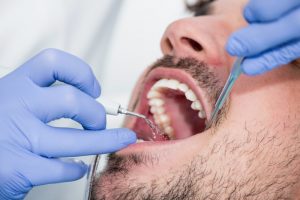
Have your teeth ever felt a little fuzzy? That fuzzy material is called plaque. It’s a sticky film of bacteria that builds up on your teeth. Is there a way for you to get rid of it on your own? Regular brushing and flossing will certainly help, but only a dental professional can remove plaque from all surfaces of your teeth. It might be tempting to try and get rid of plaque yourself, but that can cause more harm than good. Here’s why you shouldn’t try to remove plaque by yourself.
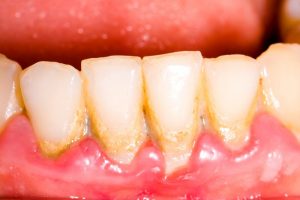
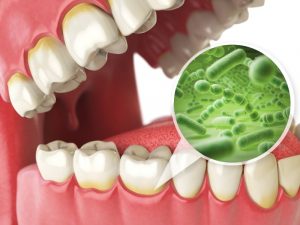 You may be surprised to know that plaque forms from day to day and can harden within just 24 to 72 hours. So, after just one exhausting night where you decide to postpone brushing and flossing, it could open the door to developing symptoms of
  When you think about the dentist, the first thing that you picture is probably teeth. However, your dentist in Norwood also has the important job of ensuring that your gums are healthy. Around 80% of US citizens are affected by some form of gum disease in their lives, making it an incredibly common problem. However, many people don’t know that it can actually permanently damage your gums and bone, and it can even cause tooth loss. Keep reading to learn more about gum disease and why it can lead to missing teeth.
 You may be concerned if you’ve noticed that your gums have been swollen or bleeding lately, and rightfully so; these symptoms are a sign of gingivitis, the earliest form of gum disease. Unfortunately, in many cases gingivitis goes untreated and becomes the more severe periodontitis, which the American Academy of Periodontology has found to affect roughly 46% of all US adults over 30. Fortunately, not only is gingivitis easier to treat, but there are also steps you can take at home to address the symptoms. Here are 4 home remedies for the early stages of gum disease in Norwood.
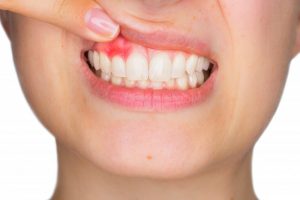 Can you tell the difference between healthy and unhealthy gums? Are yours looking more red than pale? If you’re wondering why they’ve changed color, it may be because of poor oral habits. If regular brushing and flossing are not part of your morning and nighttime routines, there is a good possibility the redness of your gums can be attributed to gingivitis. While a dentist is the only one who can thoroughly exam for
 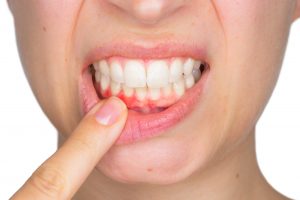 Do your gums ever bleed when you brush your teeth? Bleeding gums is often an early symptom of gum disease, which affects over half of Americans over the age of 30, according to the U.S. National Institutes of Health (NIH). If left untreated, gum disease can lead to tooth loss and has been linked to a wide range of serious health conditions and diseases. February is National Gum Disease Awareness Month, so what better time than now to learn more about this common disease and how to prevent it. A dentist in Norwood explains the important facts about gum disease below.
 As the holiday season zooms by, you are busy making purchases, planning for gatherings and decorating, but your dentist in Norwood says don’t forget about protecting your oral health. In the midst of enjoying the festivities, there are 5 tips you should keep in mind to