
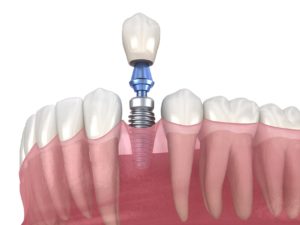
 500,000 people each year are opting for an alternative to bridges and dentures. Dental implants are the most reliable method of treating tooth loss. As the only treatment to replicate the roots and crowns, they provide a nearly perfect replica of real teeth. They have over a 95% success rate and are proven to last for decades. Although many people believe they are a new treatment, forms of dental implants can be found throughout history. The evolution of dental implants paved the way to become the preferred solution for missing teeth, and here’s how.
Norwood Dental Care Blog
Discover the Evolution of Dental Implants
September 10, 2022
Will Getting Veneers Result in Sensitive Teeth?
September 6, 2022
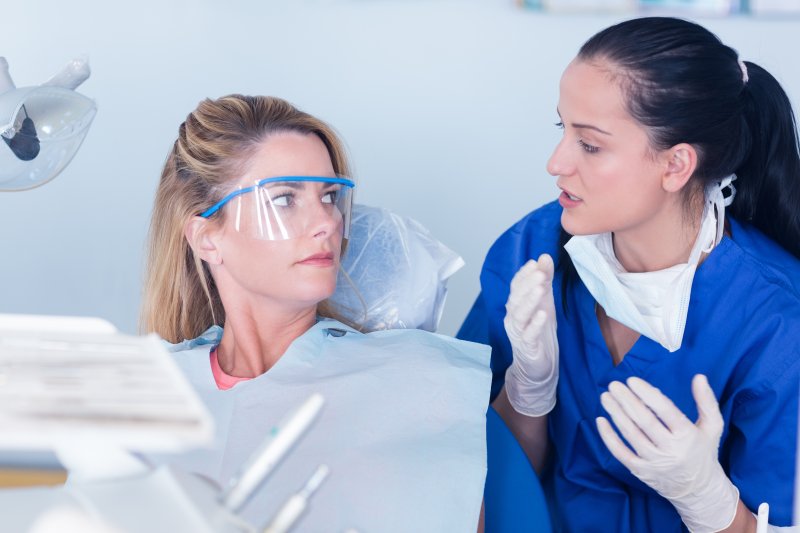
Veneers are a popular cosmetic treatment that can correct stains, cracks, chips, misshapen teeth, alignment issues, and gaps. These thin shells are made from dental-grade porcelain. A small amount of tooth enamel has to be removed for the veneers to adhere properly. Since enamel is meant to protect your smile, you may be wondering if this will result in increased dental sensitivity. Read on to learn the answer to this question and how to relieve sensitive teeth.
(more…)Vitamin D & Dental Implant Success
August 16, 2022

Vitamin D is a family of compounds that can be obtained through several means, including the foods you eat, spending time in the sun, and dietary supplements. Vitamin D offers several benefits, including regulating one’s mood, reducing depression, and improving one’s sleep. Studies show that vitamin D may also have a positive impact on those who have dental implants. Read on to learn about how these things are connected as well as means of absorbing vitamin D.
(more…)Common Foods That Can Chip Your Teeth
June 25, 2022
 A tooth is composed of 3 layers: the enamel, dentin, and pulp. Enamel is the hard outer layer you see in the mirror that’s responsible for protecting the softer inner layers. It is the hardest substance in your body, but it isn’t indestructible. While you might believe trauma is the only way to chip enamel, the foods you eat can leave you at risk of a dental emergency. Here are the most common foods that can chip teeth.
Are Dental Implants After Menopause Possible?
May 13, 2022
 Your teeth are designed to last your lifetime, but that’s not a reality for many Americans. The Centers for Disease Control and Prevention estimates that 13% of Americans between the ages of 65 to 74 have lost all their teeth. Whether you’re only missing one tooth, several teeth, or both arches, you can benefit from the next best thing to your natural smile with dental implants. However, with age comes certain health concerns, like bone loss after menopause. Don’t worry, your dentist has the solutions you need to turn the clock back on your smile.
Is It Possible to Whiten Bonded Teeth?
March 24, 2022
 Dental bonding is a popular treatment that provides both restorative and cosmetic benefits. If your dentist used it to fix chips, cracks, decay, or discoloration, you likely marveled at the results for many years. Unfortunately, your smile may be showing the passing of time. Your teeth and the resin can change color over the years. You might turn to a whitening treatment to blend the blemishes, but it won’t have any effect on dental bonding. Don’t worry, you don’t have to live with a flawed smile. Here’s how you can whiten bonded teeth.
Cosmetic Dentistry Takes Years Off Your Smile! Here’s How
January 6, 2022

Have you started wondering if your smile is making you look older than you are? If so, you’re probably asking yourself how you can get your dream smile. When it comes to a complete makeover for your pearly whites, cosmetic dentistry is all the rage. Not only can you completely change the appearance of your teeth, but you can look years younger in the process! Your dentist can explain how aging changes your smile and what cosmetic dentistry in Norwood can do for you.
(more…)What Do Dental Implants Feel Like?
November 9, 2021
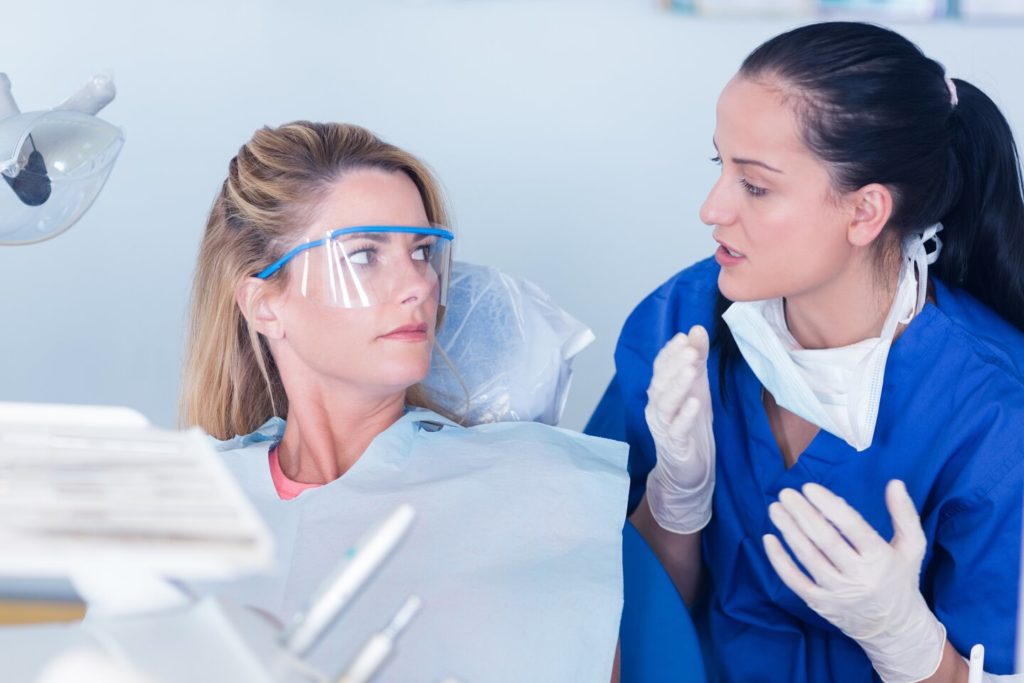
Dental implants are a permanent replacement for one or more missing teeth that lets patients eat, speak, and smile with confidence. Though they have a 95% success rate, fear that treatment will be painful or uncomfortable may lead you to have some reservations about undergoing the procedure. So that you have all the information you need to determine if dental implants in Norwood are the right fit for you, here’s how you can expect them to feel and a few benefits that come with them.
(more…)How Your Pregnancy Oral Care Can Affect Your Baby
September 7, 2021
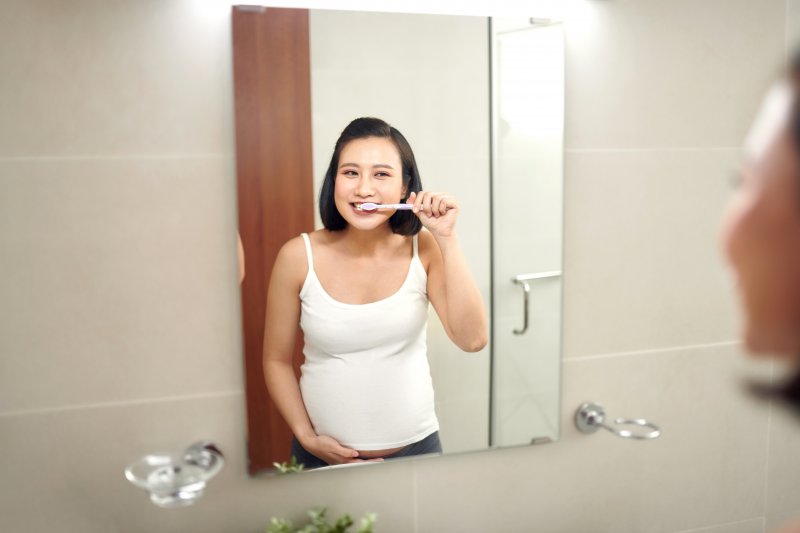
According to the website The Worlds Counts, 140 million babies are born worldwide each year. Though many expecting mothers know the importance of taking care of their bodies, did you know that neglecting your oral health care while you’re pregnant can sometimes have adverse effects on the health of your baby? Here are some of the potential risks of not practicing proper pregnancy oral care and how to prevent them.
(more…)What to Expect During Your Child’s First Dental Appointment?
August 20, 2021
 The first line of defense against preventable oral health issues begins at home; however, brushing and flossing aren’t enough. The American Dental Association recommends a cleaning and checkup at least twice a year. Did you know this includes children, too? You might believe they don’t need an appointment until they have their permanent teeth, but this is untrue. In fact, your child should see a dentist for the first time before they turn 1-year-old. Don’t fret, here’s what you can expect during children’s first dental visit.