
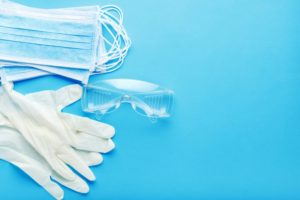
 Dental teams are sticklers for safety. Organizations like the CDC and OSHA set high sanitation and hygiene standards for dental practices. During every single one of your appointments, your dentist, hygienist, and assistant have worn PPE (personal protective equipment) such as masks and gloves to keep you safe. In response to the pandemic, dental professionals are taking your health and safety extremely seriously and implementing even more PPE into their daily practices. Read on to learn three ways your dentist in Norwood is using PPE to protect you from the virus.
Norwood Dental Care Blog
Blocking Out COVID-19: 3 Ways Your Dentist Uses Protective Equipment to Keep You Safe
May 12, 2020
What You Need to Know About Antibiotics for a Tooth Infection
April 20, 2020

You’ve been diligently following all the social distancing protocols that have been in effect due to COVID-19. Suddenly you feel an intense pain in your mouth. To your dismay, you think you might have an infection in one of your teeth. Should you call your emergency dentist in Norwood? Is it safe? Absolutely. Dental offices are one of the cleanest places you could be. Not to mention, you’re likely going to need antibiotics to treat that infected tooth. Keep reading to learn more about antibiotics for tooth infections.
How Often Do I Need to Replace My Toothbrush?
March 24, 2020
 Your toothbrush is the most important tool by your side to combat common dental issues, like tooth decay and gum disease. You rely on your toothbrush to keep your smile healthy in-between visits to your dentist in Norwood. Regular brushing will cause wear and tear on your toothbrush. As a result, it’s essential it’s replaced often to ensure it’s effective, but are you changing your toothbrush enough? Here’s how often you should switch your toothbrush to keep your teeth and gums healthy.
(more…)
8 Easy Remedies to Combat Gingivitis at Home
February 7, 2020
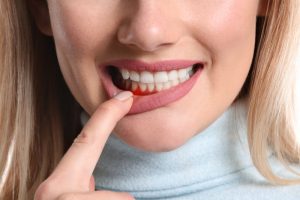 Recent studies suggest that up to 80% of Americans have gum disease—do you? This incredibly common condition starts out as a small infection in the gum tissue, which is known as gingivitis. However, if it’s left untreated, it can evolve into periodontitis and cause tooth loss as well as other serious health conditions. Thankfully, you can easily fight off and even completely reverse early symptoms of gum disease from your own home! Here are eight easy remedies to help you combat gingivitis and prevent gum disease in Norwood.
What May Be Causing Your Swollen Gums
January 19, 2020
Have your gums ever felt swollen or tender to the touch? Have they ever appeared bright red instead of their usual healthy pink? What causes your gum tissue to swell? More often than not, this is a result of a condition called gum disease. But what exactly is gum disease, and how can you and your dentist in Norwood work together to prevent it? Keep reading to find out.
How to Choose the Right Mouthwash
December 17, 2019
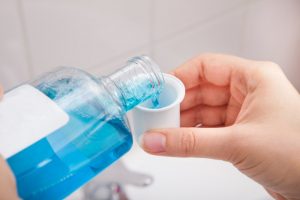
You chose your toothbrush because you prefer electric over manual. You chose your floss because it’s smooth and tastes like mint. These decisions were fairly easy for you to make. But is it just as easy to select a mouth rinse? Read this guide on what mouthwash to use in Norwood, and what qualities you need to look for.
Here Are the 5 Best Toothbrushes to Fight Plaque
November 16, 2019
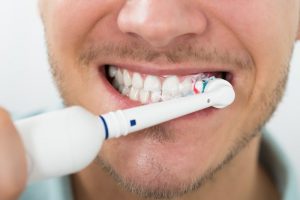
When it comes to the perfect toothbrush, everyone’s tastes are different. Some people want a classic manual brush that only costs a couple bucks at the drugstore. Some people want to splurge on an electric toothbrush that does some of the work for you. The American Dental Association claims that both varieties clean your pearly whites equally well. But electric toothbrushes might help you reach all the nooks and crannies of your teeth a little better. Let’s look at the top 5 toothbrushes in Norwood that will help you keep plaque at bay and freshen up your smile.
What Happens If Plaque Builds Up In Your Mouth?
October 18, 2019
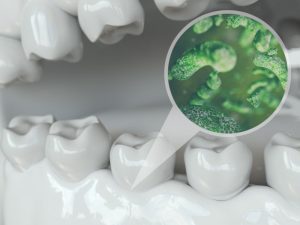 Have you wondered what happens from plaque buildup in Norwood? Even with the best oral hygiene routines, it can accumulate in the nooks and crannies of your mouth, harden, and form into tartar, which you won’t be able to remove at home. This can have serious effects on your oral health and open the door to issues like cavities and gum disease invading your mouth. The best way to keep this from happening is to learn about what role it plays in creating bacteria accumulation and how you can stop it by reading below. (more…)
Why You Shouldn’t Try to Remove Plaque by Yourself
September 14, 2019
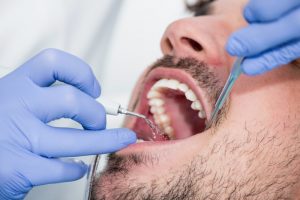
Have your teeth ever felt a little fuzzy? That fuzzy material is called plaque. It’s a sticky film of bacteria that builds up on your teeth. Is there a way for you to get rid of it on your own? Regular brushing and flossing will certainly help, but only a dental professional can remove plaque from all surfaces of your teeth. It might be tempting to try and get rid of plaque yourself, but that can cause more harm than good. Here’s why you shouldn’t try to remove plaque by yourself.
What Is Tartar Buildup and How Can You Prevent It?
August 13, 2019
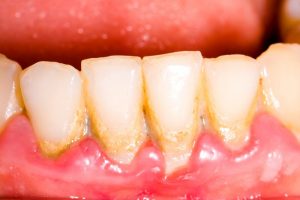
Have you ever run your tongue over your teeth and noticed that they felt kind of fuzzy? That may be due to dental plaque, a sticky film made of bacteria and particles of foods and beverages you consume. When you go even 12 hours without brushing and flossing, plaque hardens into a material called tartar. When allowed to accumulate, tartar can cause serious problems. Luckily, a dentist is here to answer the questions: what is tartar buildup and how can you prevent it?